Contact Us
- A.Yeung@leadmenspacking.com
- +8618933322747
- Building 4, No. 223, Guangcheng Road, Jiuzhouji, Xiaolan Town, Zhongshan City, Guangdong Province
Do You Know the Pros and Cons of Aluminum Foil Packaging?
Due to its unique properties, aluminum foil packaging is widely used in fields such as food, daily necessities, cosmetics, and pharmaceuticals. Today, Leadtra Packaging will analyze aluminum foil packaging from both its advantages and disadvantages.
I. Advantages of Aluminum Foil Packaging
(1) Excellent Barrier Properties
Aluminum foil provides an exceptional barrier against oxygen, moisture, and light. Its dense molecular structure effectively prevents oxygen infiltration, avoiding oxidation and spoilage of food—such as rancidity of oils or degradation of pharmaceutical ingredients. It also completely blocks water vapor, preventing moisture absorption, softening, clumping, or mold growth in contents. Additionally, aluminum foil is opaque, blocking ultraviolet and visible light to protect light-sensitive ingredients from decomposition and preventing color fading or flavor changes in food due to light exposure.
(2) Outstanding Temperature Resistance
Aluminum foil withstands high temperatures ranging from 200 to 600°C, making it suitable for direct use in ovens for baking, such as foil-wrapped roasted chicken or vegetables. It also plays a role in high-temperature sterilization processes. Its low-temperature resistance is equally impressive, remaining intact without brittleness or deformation in freezing environments below -20°C, making it ideal for frozen food packaging, even retaining integrity after thawing.
(3) Favorable Material Characteristics
Aluminum foil is lightweight, easy to process, and has low density. Compared to glass or metal cans with similar barrier performance, it reduces transportation costs and is more convenient for consumers to carry. Its excellent ductility allows it to be shaped into various forms, such as pleated foil bags, custom-fit foil trays, or ultra-thin foil sheets. It can also be trimmed to size to accommodate different product shapes.
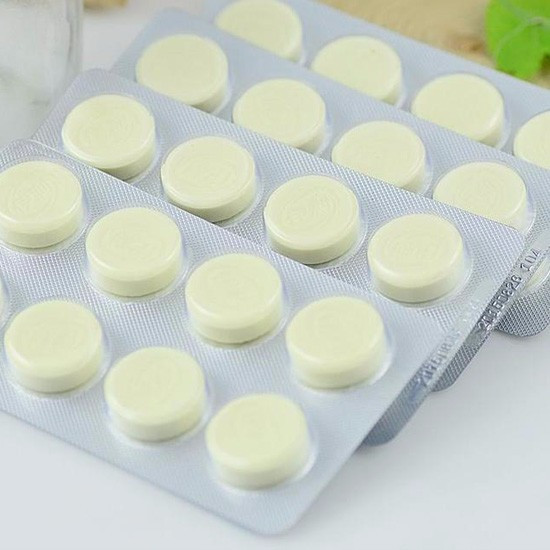
II. Disadvantages of Aluminum Foil Packaging
(1) Relatively High Cost
Fluctuations in aluminum prices can impact packaging costs, especially compared to plastics. To enhance performance, aluminum foil is often laminated with plastics or paper, which increases production complexity and costs.
(2) Brittleness Leading to Damage
Pure aluminum foil is relatively brittle, making single-layer foil prone to tearing or breaking. While lamination with other materials can mitigate this, it may compromise environmental friendliness. During transportation, sharp objects or compression can cause packaging damage, affecting product protection.
(3) Notable Environmental Concerns
Aluminum foil has an extremely long natural degradation cycle, and the plastic components in laminated materials can take centuries to decompose. Improper disposal can lead to severe environmental pollution. Compared to biodegradable alternatives like eco-friendly bags or paper-based containers, aluminum foil packaging is less environmentally friendly.
(4) Poor Acid Resistance
Aluminum foil has weak acid resistance. When packaging acidic items like fruit juices, it is generally not placed directly in the inner sealing layer to avoid acid penetration and delamination, which can shorten shelf life.
Leadtra Packaging produces aluminum foil sealing films with numerous advantages, including strong sealing and barrier properties, excellent tearability, vibrant colors and appealing appearance, environmental friendliness, high safety standards, rigorous testing, and stable quality, ensuring reliable performance. If you are interested in our products or have any questions, feel free to contact us for consultation.
“Recommend”
【editor】:Leadtra PackagingCopyright:https://www.leadmenspacking.comReproduced please indicate the source