
Contact Us
- A.Yeung@leadmenspacking.com
- +8618933322747
- Building 4, No. 223, Guangcheng Road, Jiuzhouji, Xiaolan Town, Zhongshan City, Guangdong Province
What's the Difference Between Food-Grade Sealing Film and Ordinary Sealing Film?
When you put these two films side by side, the difference isn't in price — it's in the standard line.
Food-grade sealing film has a whole set of standards governing it
Food-grade sealing film is subject to clear national standards, such as GB/T 41220-2021 "Composite plastic lid film for food packaging," which specifies requirements for barrier properties and heat seal strength. There's also a specific group standard for aluminum foil composite sealing film (T/ZZB 1713-2023), requiring a usage temperature range of 80℃ to 110℃, with PET, PE, and aluminum foil as the base materials. Moreover, all materials that come into contact with food must comply with the GB 4806 food contact material standards.
What about ordinary sealing film? It may only focus on basic functions — sealing tightly, not leaking — without needing to comply with these standards.
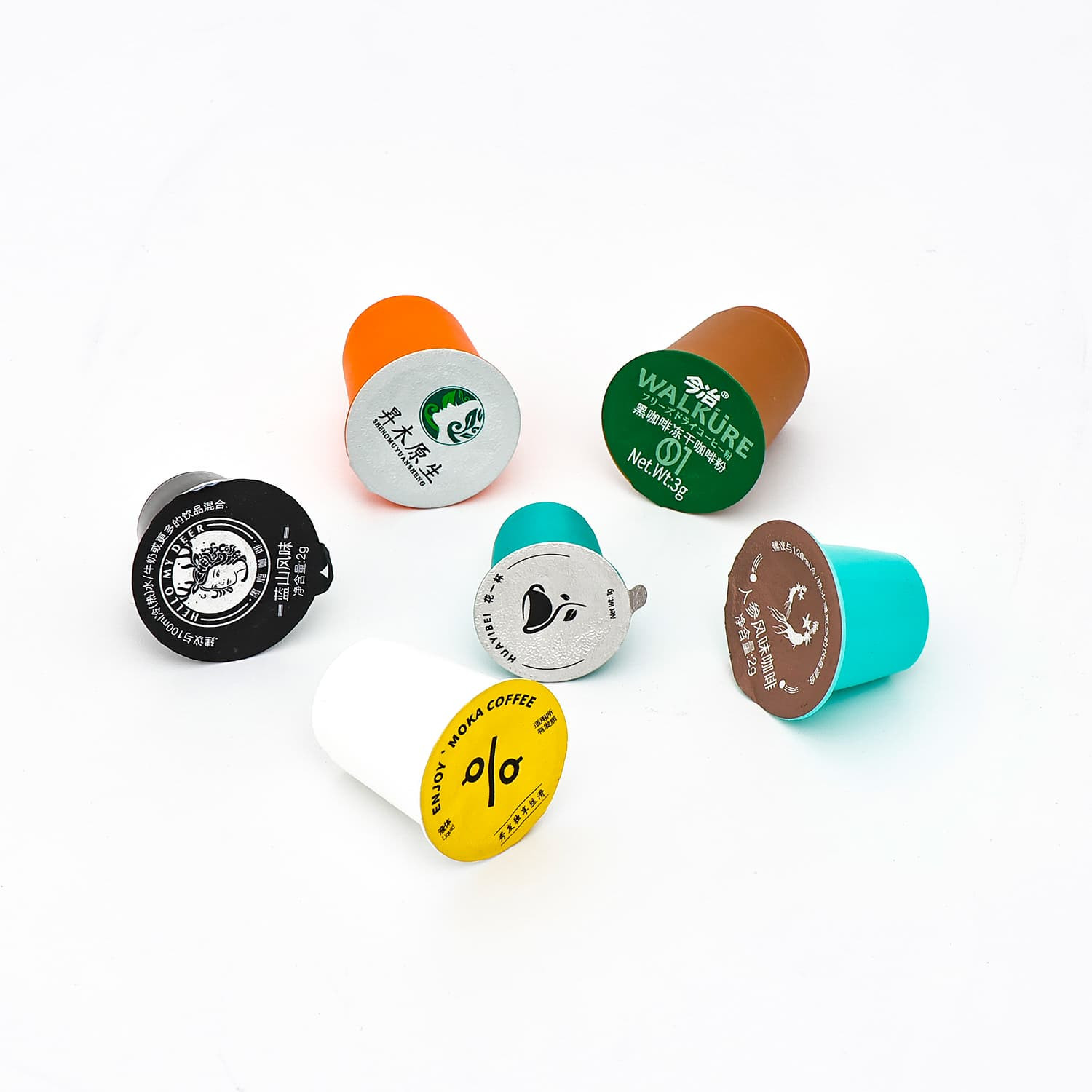
The core differences are two things: migration and barrier properties
Food-grade sealing film undergoes total migration testing to measure whether substances from the film could transfer into the food. It also tests for heavy metals and solvent residues to ensure no contamination of the contents. Ordinary film doesn't need to pass these tests.
Barrier properties also differ. Food-grade film needs to control oxygen transmission rate and water vapor transmission rate, and for products that need preservation, this difference directly impacts shelf life. Ordinary film has no strict requirements in this regard.
How to tell them apart? Look for labeling and reports
The simplest way is to check whether the packaging has a "food-grade" label, or whether the supplier can provide compliance test reports. If the supplier can't produce them, it's most likely ordinary film.
In short: ordinary film meets the basic "seal it shut" requirement, while food-grade film has a whole additional set of mandatory specifications for safety and barrier performance. When it comes to food applications, it's not a question of whether you can use it — it's a question of whether you dare to.
“Recommend”
【editor】:Leadtra PackagingCopyright:https://www.leadmenspacking.comReproduced please indicate the source